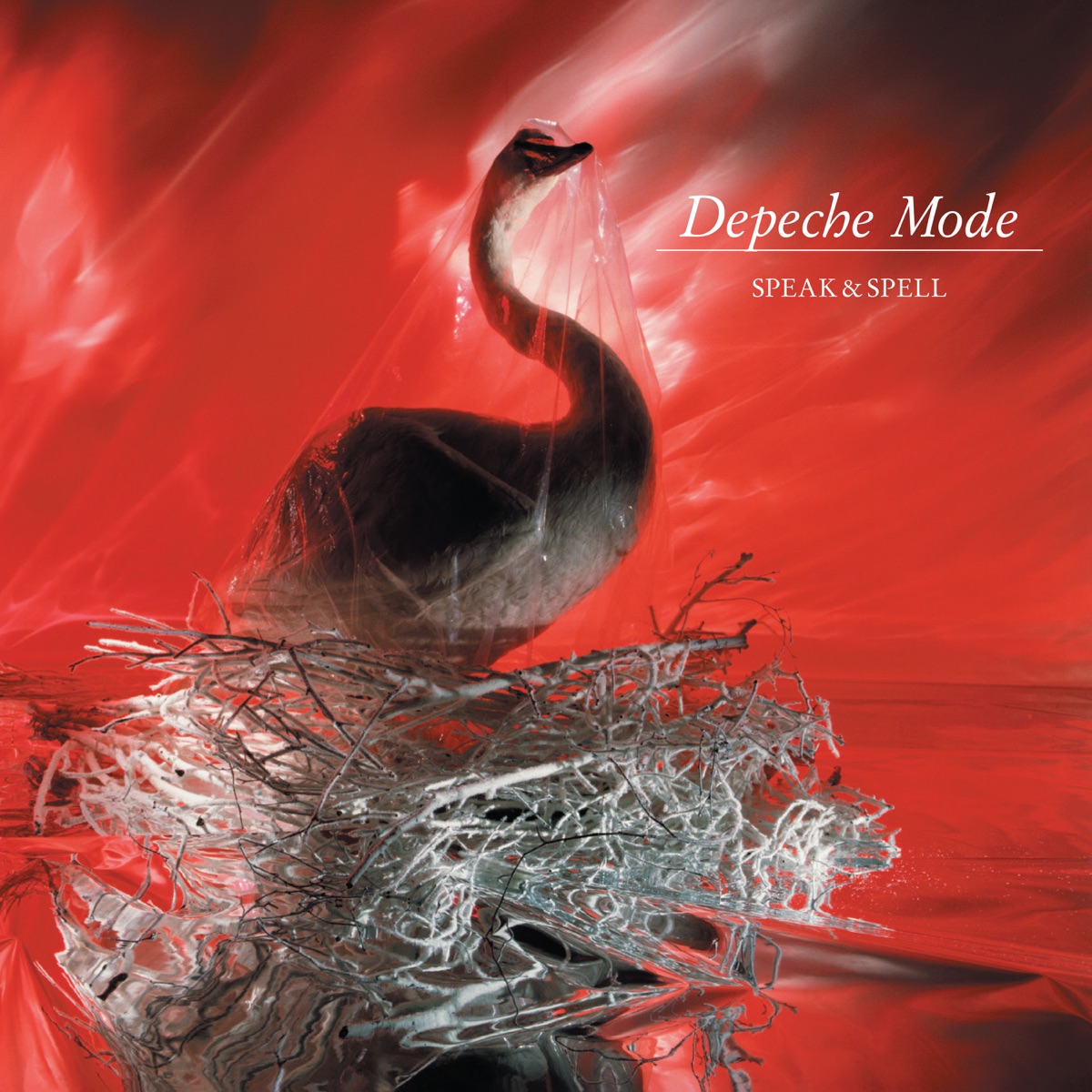
Speak & Spell
Nine of eleven tracks written by Clarke. The album that started everything — and that he left.
The quiet architect of British synth-pop. Founder of Depeche Mode, Yazoo and Erasure — the man who taught a generation of machines how to feel.
Vincent John Martin was born in South Woodford, Essex on 3 July 1960 and raised in Basildon — a post-war new-town that, by some quiet accident of geography, would produce most of British synth-pop.
Violin and piano lessons came first. Sparks, Paul Simon and OMD followed. By the late seventies he was deep in early synthesizer culture, drifting through bands with names like No Romance in China and The Plan alongside another Basildon kid called Andrew Fletcher.
Composition of Sound became Depeche Mode the moment Dave Gahan walked into the rehearsal room. Vince Clarke wrote nine of the eleven tracks on the debut album Speak & Spell (1981) — including Dreaming of Me, New Life and the immortal Just Can't Get Enough.
And then, at the end of 1981 — at the precise moment the band was poised to break globally — he left. He didn't want to tour. He wanted to be a songwriter. "I didn't feel happy. Or contented. Or fulfilled. And that's why I left."
An ad in Melody Maker. A reply from a 20-year-old Basildon contralto called Alison Moyet, who'd sat in the same sixth-form class as Andy Fletcher and Martin Gore. Two albums in eighteen months — Upstairs at Eric's (1982) and You and Me Both (1983) — and a singles run that included Only You, Don't Go, Situation and Nobody's Diary.
The voice was huge, the synths were spare, and the chemistry was complicated enough to dissolve in May 1983. Moyet went solo. Clarke moved on. Yazoo's two records have never sounded any less than essential.
Between Yazoo and Erasure came a brief detour as The Assembly with Eric Radcliffe — and a #4 UK hit, Never Never, with Feargal Sharkey. Then in 1985, another ad in the music press: this time answered by a 20-year-old Peterborough singer called Andy Bell.
Forty years and nineteen studio albums later, Erasure has sold over 28 million records. Sometimes, Chains of Love, A Little Respect, Blue Savannah, Chorus, Always. The longest unbroken creative partnership in British synth-pop, and arguably its most prolific.
Erasure has never stopped, but the side rooms tell another story. The Clarke & Ware Experiment with Heaven 17's Martyn Ware (1999–2003) made two albums of ambient electronica.
Then in 2011, Clarke walked into a studio with Martin Gore for the first time since 1981 — emerging as VCMG, the techno duo whose Ssss (2012) felt like an answered question thirty years overdue.
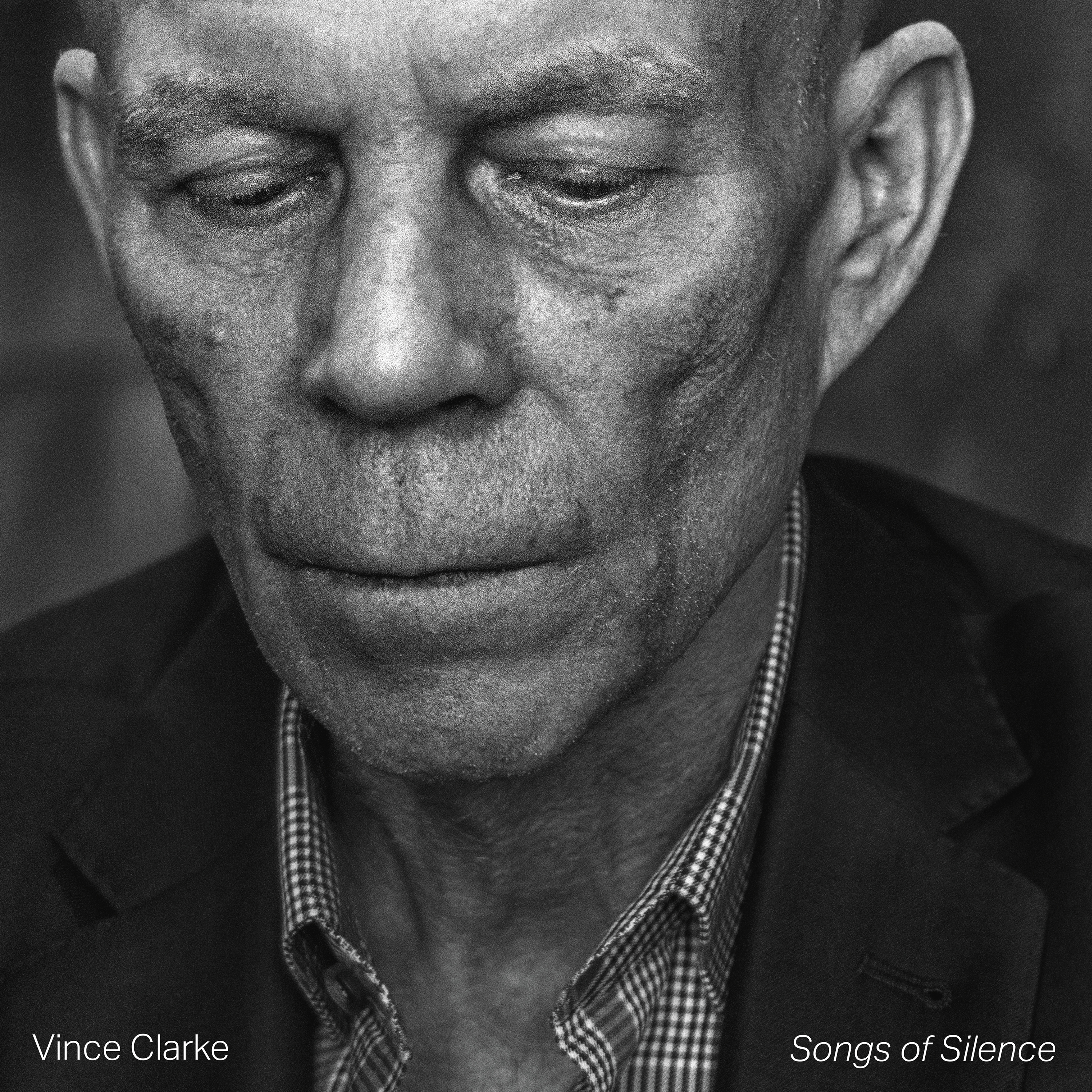
And in 2023, after four decades inside other people's projects, the first solo album: Songs of Silence. Modular synthesis. Long-form drones. The opposite of a pop hit, and entirely the point.
If British synth-pop is a single conversation that has run for forty-five years, Vince Clarke is the one who keeps quietly walking back into the room with another song.
Nine of eleven tracks written by Clarke. The album that started everything — and that he left.
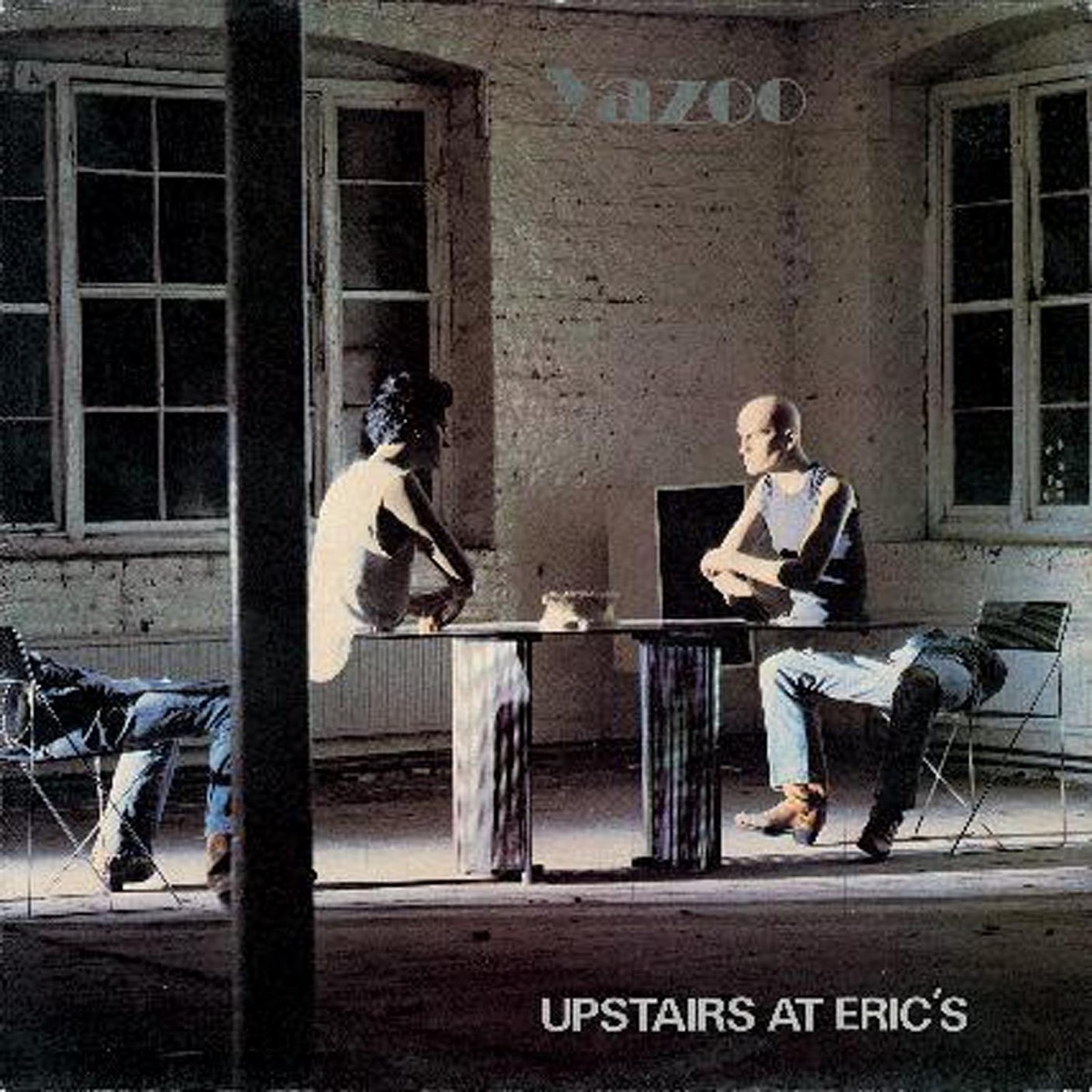
The Yazoo debut. A voice and a synth and almost nothing else — a record that has somehow only become more modern with each passing decade.
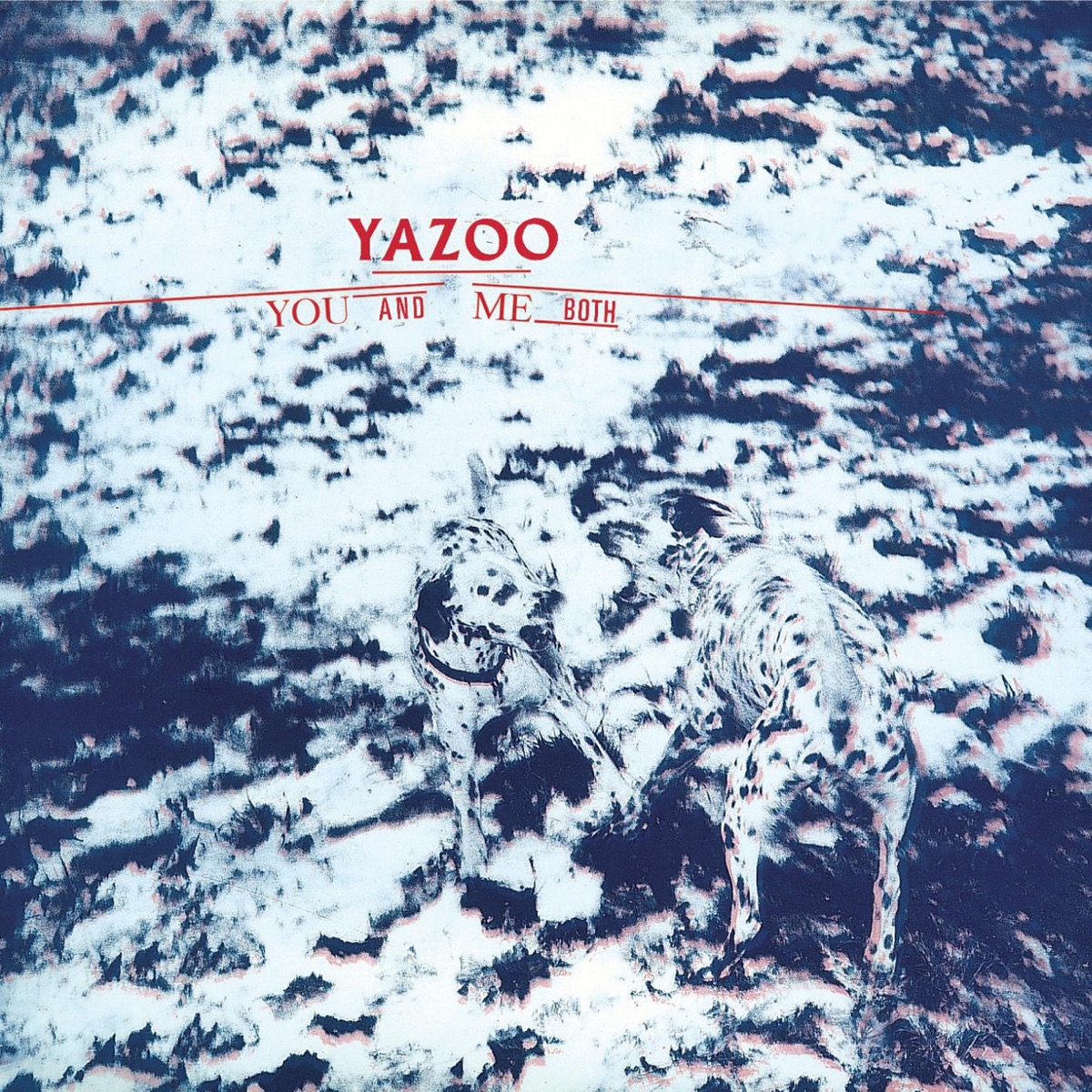
The second and final Yazoo album. UK #1.
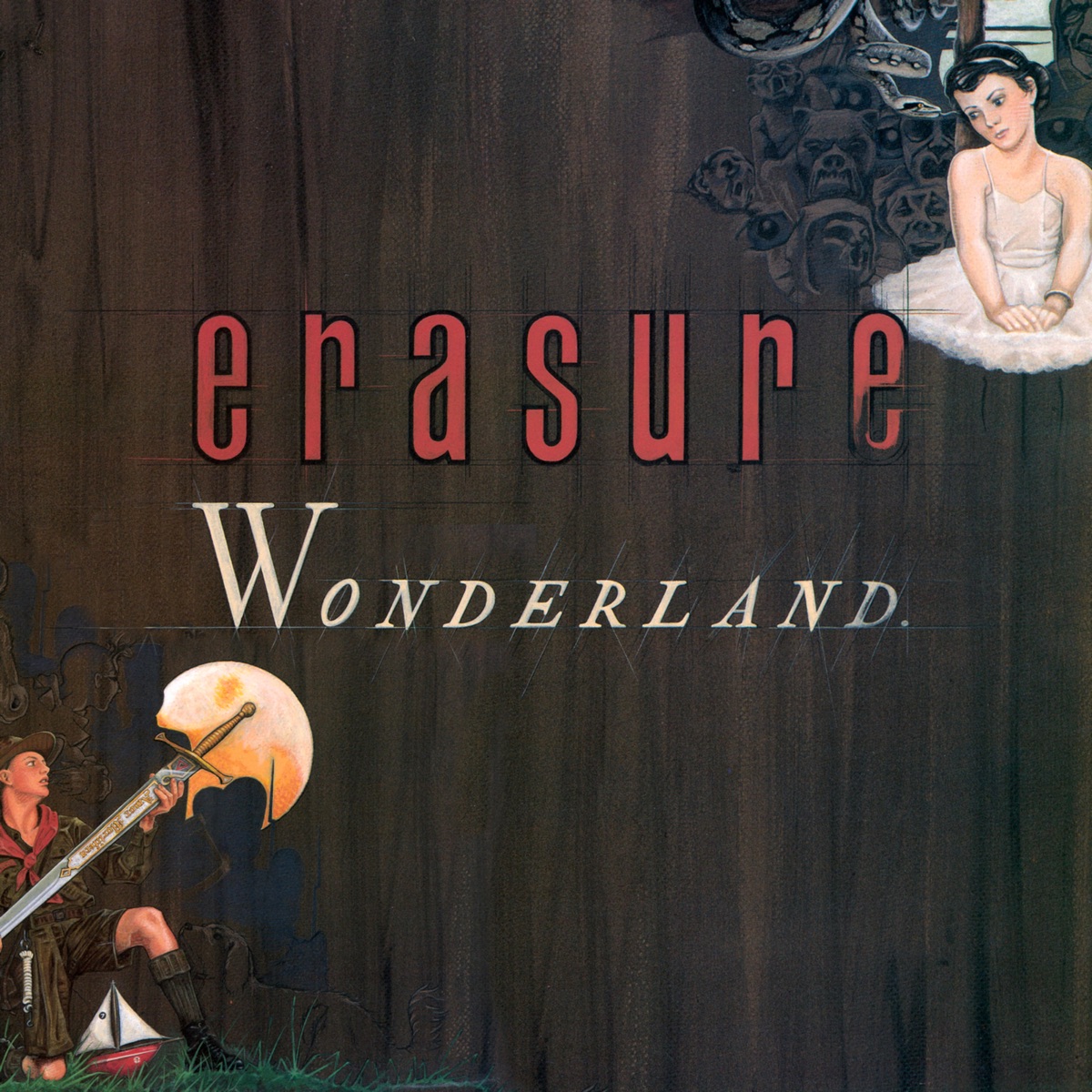
Erasure begins. The blueprint for the next forty years.
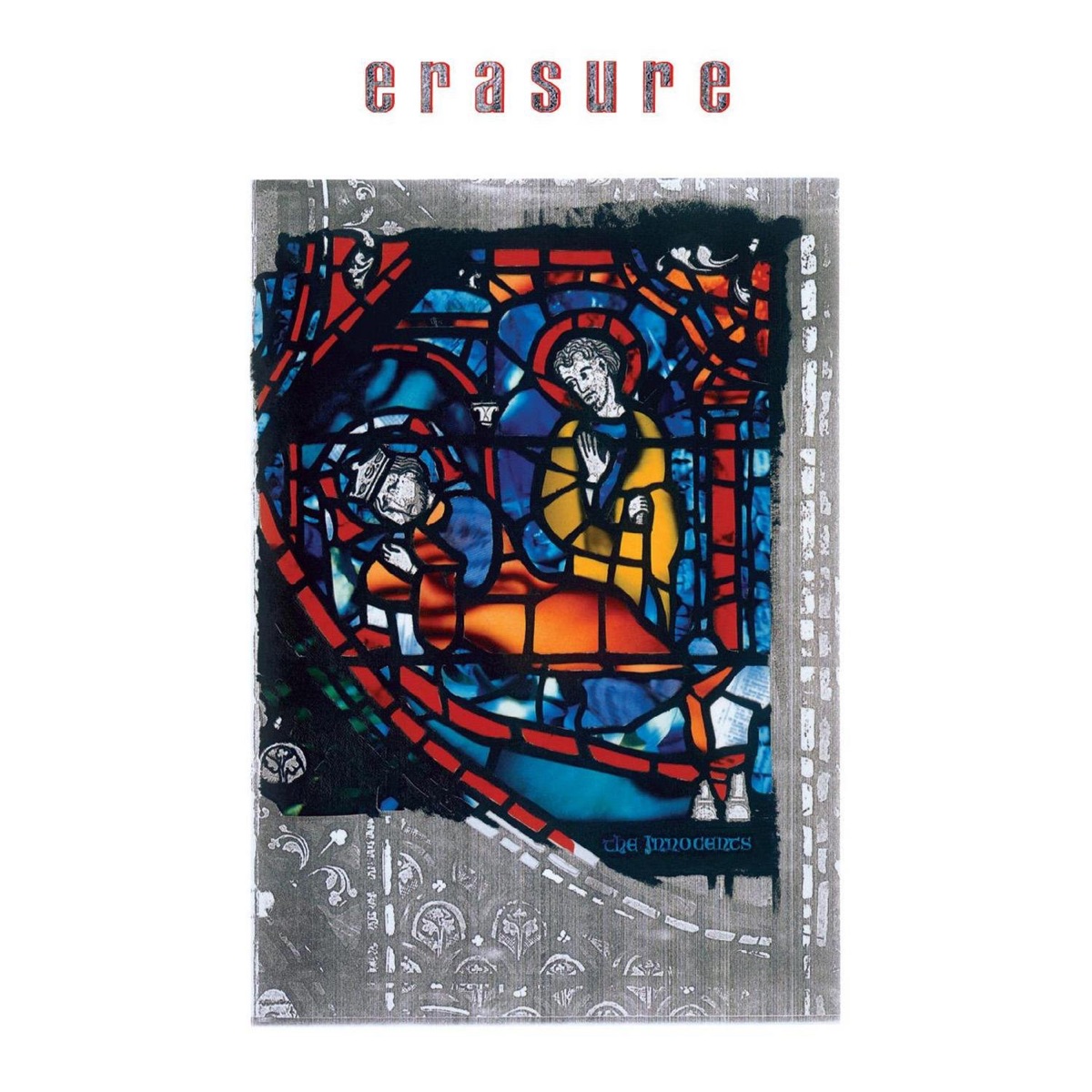
Their first UK #1. A Little Respect. Chains of Love.
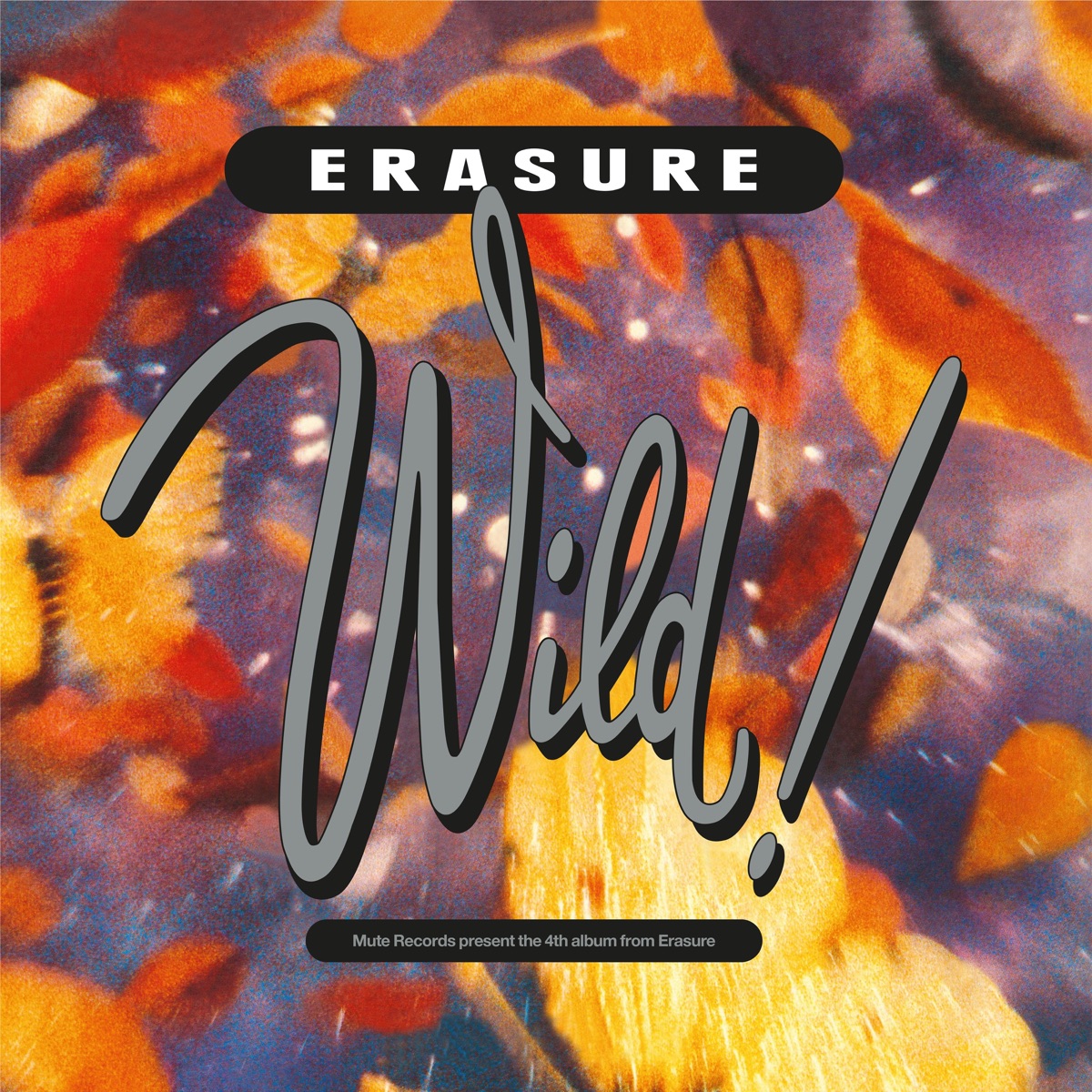
UK #1. Blue Savannah. Drama!. Peak imperial Erasure.
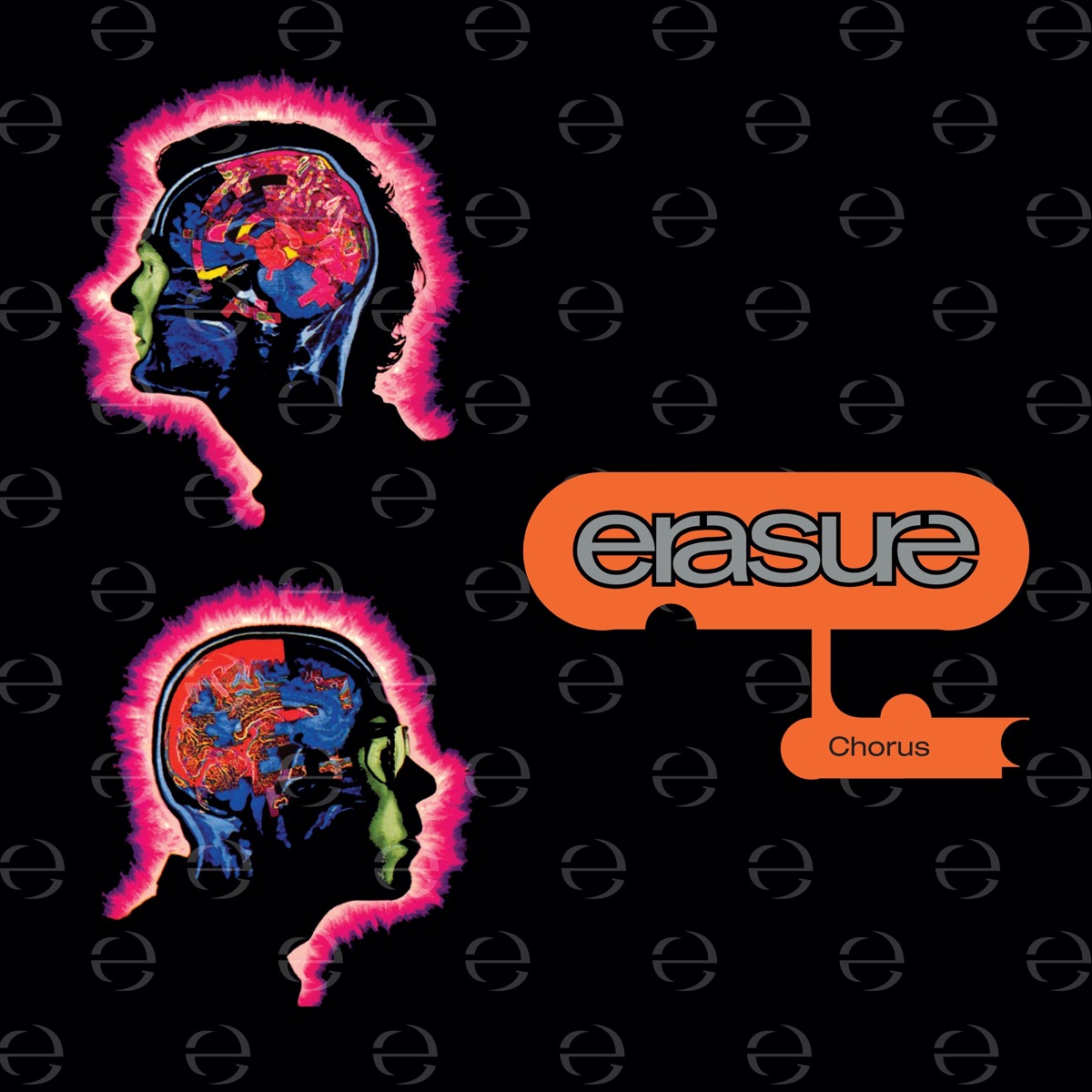
Title track, Love to Hate You, Breath of Life. Synth-pop at its most assured.
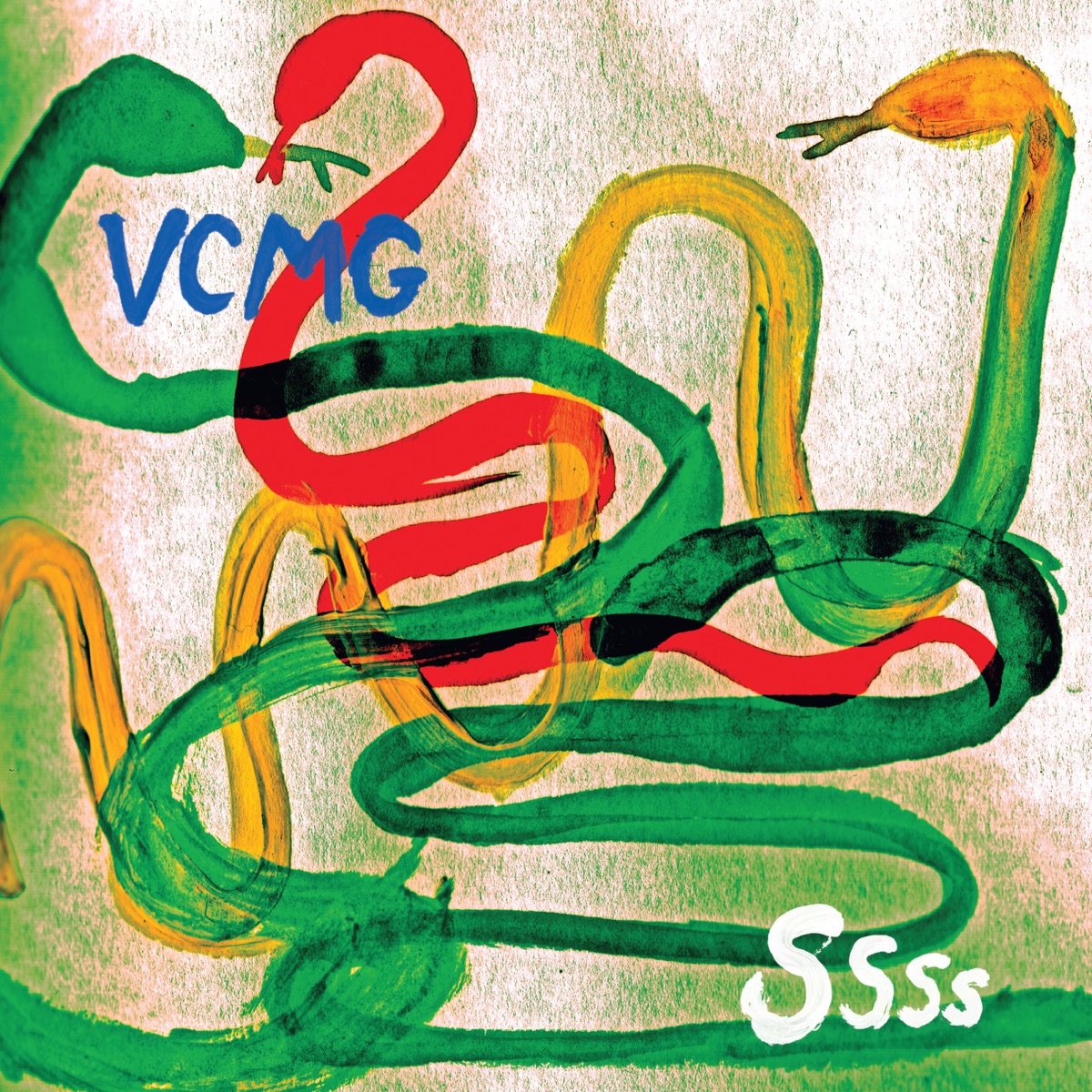
Reunited with Martin Gore. Pure techno. Worth the thirty-year wait.
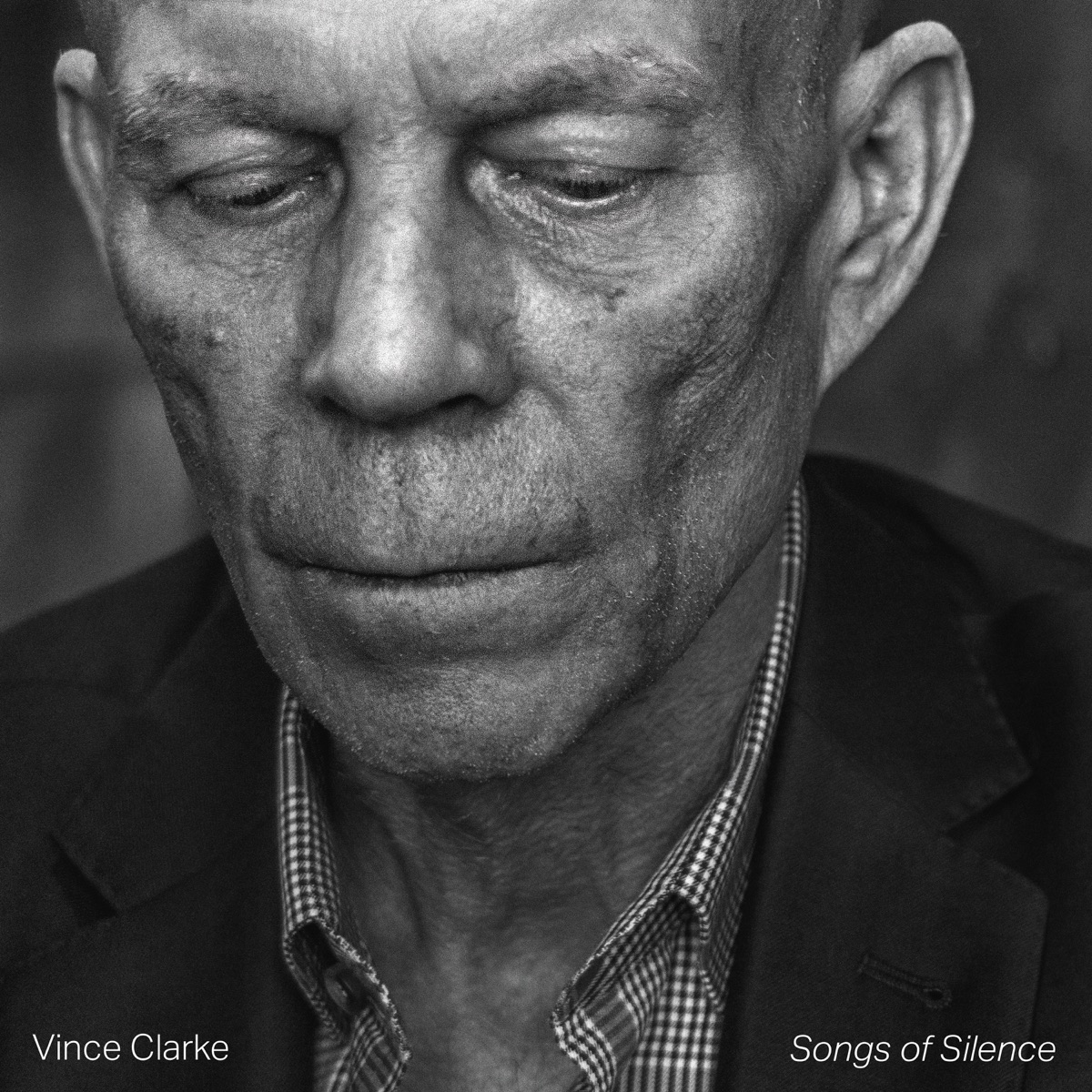
The first solo album. Modular synthesis, long-form drones — the opposite of a pop hit, exactly the point.